Why Your Toilet Keeps Running
A running cistern comes down to one of three faults: an inlet valve that won't close, a worn flush valve seal leaking into the pan, or a float set high enough to spill through the overflow.
If we're late, $100 comes off your bill

- Licensed and InsuredEvery job done by a licensed plumber. QBCC No: 15024607
- Fixed Quote FirstFlat-rate pricing, agreed before any work starts
- Lifetime Labour WarrantyBacked by our Fix-It-or-It's-Free guarantee (T&Cs apply)
- $0 Call-Out FeesNo extra charge for nights, weekends or public holidays

If your toilet keeps running, one of these three faults is nearly always behind it. Each fault leaves its own clue, and you can narrow yours down without tools. Hand the job to a licensed plumber instead, and the urgent and everyday work we cover around Hendra is on our home page.
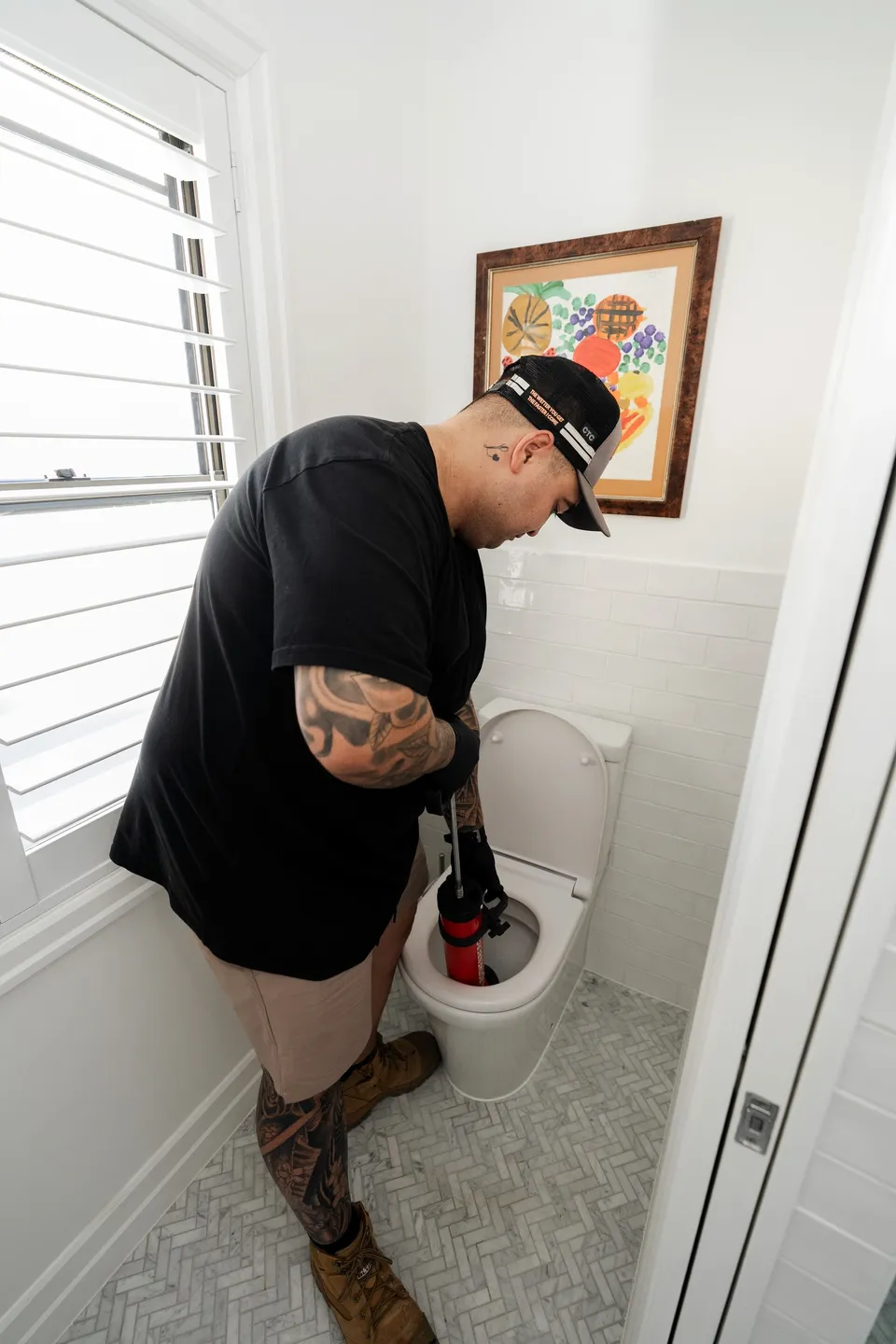
Why the Cistern Never Stops Filling
Three faults sit behind a cistern that never stops filling: an inlet valve stuck open, a flush valve seal worn enough to leak into the pan, and a water level high enough to run out through the overflow.
Each one leaves a different clue:
A hiss that keeps going after the refill has finished
tells you the inlet valve is the culprit.
The cistern refilling by itself every few minutes
, with nobody flushing, means the seal at the outlet valve has worn through.
A drip from the overflow pipe outside the house
means the level is set past its mark, so the float or inlet valve needs attention.
After every flush the inlet valve refills the cistern, then closes once the float hits its set height. The outlet valve, also called the flush valve, keeps that water stored until the next flush. When either part wears out, the two work against each other and the toilet runs.
Census figures put half of Hendra's homes at four bedrooms or more, so second and third toilets are common. A cistern running quietly in a powder room can go unnoticed for weeks, which makes the checks below worth a few minutes of your time.

Slow, Partial or No Refill After a Flush
An empty or slow-filling cistern usually comes down to a blocked inlet valve, a float riding below its mark, or a stop tap someone left part-way closed.
The signs to look for:
Start at the stop tap
one bumped half shut starves the cistern before anything else.
Weak or absent refill with the supply on
points to the inlet valve or a float set low.
Constant flow with no rise in the level
means the seal is dumping water on the outlet side as quickly as the supply delivers it.
Census figures put the average household at 2.7 people, so the morning queue for the bathroom feels a slow refill first. What seems like a weak toilet is often just a valve worn down to a trickle.
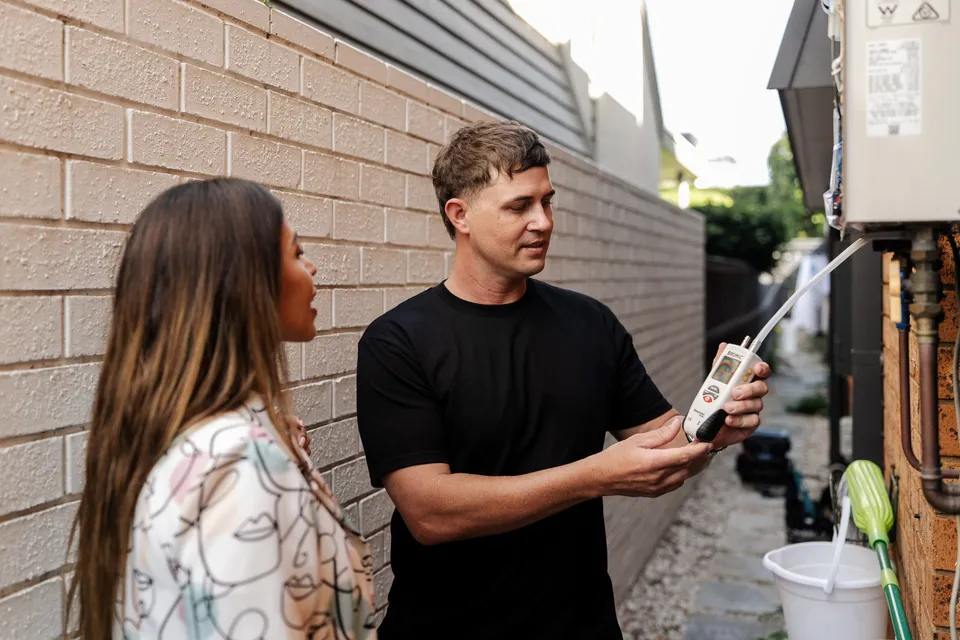
What Colour in the Bowl Tells You
Drop a little food colouring into your cistern, wait without flushing, then read the bowl: colour turning up down there means the cistern is losing water into the pan.
Work through the check in order:
- Add the colouring to your cistern water.
- Leave the toilet alone and wait, without flushing.
- Read the bowl. Any colour down there confirms a leak.
- Flush afterwards to clear the colour, because ceramic holds no stain.
A clear bowl means the outlet valve is holding. Check the inlet valve next, then the water height. No colouring in the pantry? Press a dry square of toilet paper high on the bowl's inner wall, above the water.
Water wetting that square shows a slow trickle down the pan, which points to the same leak. The check costs nothing and needs no tools, so we walk callers through it before booking anything. It tells us which part to bring, and it tells you whether the fault is a seal or a valve.
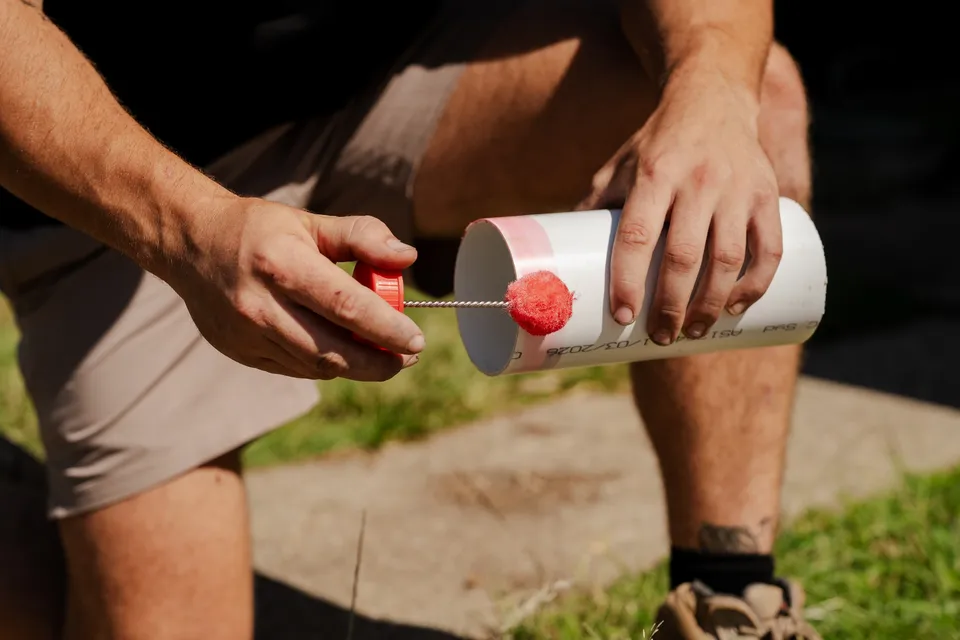
Which Cistern Parts a Home Owner May Replace
Queensland's building regulator, the QBCC, treats three cistern parts as unregulated work: the washer inside a drop valve, the washer inside a float valve, or the suction cup rubber. A householder with the right know-how may do them without a licence, and the finished job must still satisfy the relevant standards.
Everything beyond those three parts is minor work. A QBCC licensee does that work, and it needs neither a permit nor a Form 4. That covers inlet valves, flush valve assemblies, buttons and any job that means opening or adjusting the cistern internals.
Rentals add duties on both sides. The owner or manager looks after repairs, and the tenant reports problems straight away. Queensland's urgent-repairs list for tenancies covers a toilet that blocks or stops working; it says nothing about one that runs, so this job is routine and gets done in a reasonable timeframe.
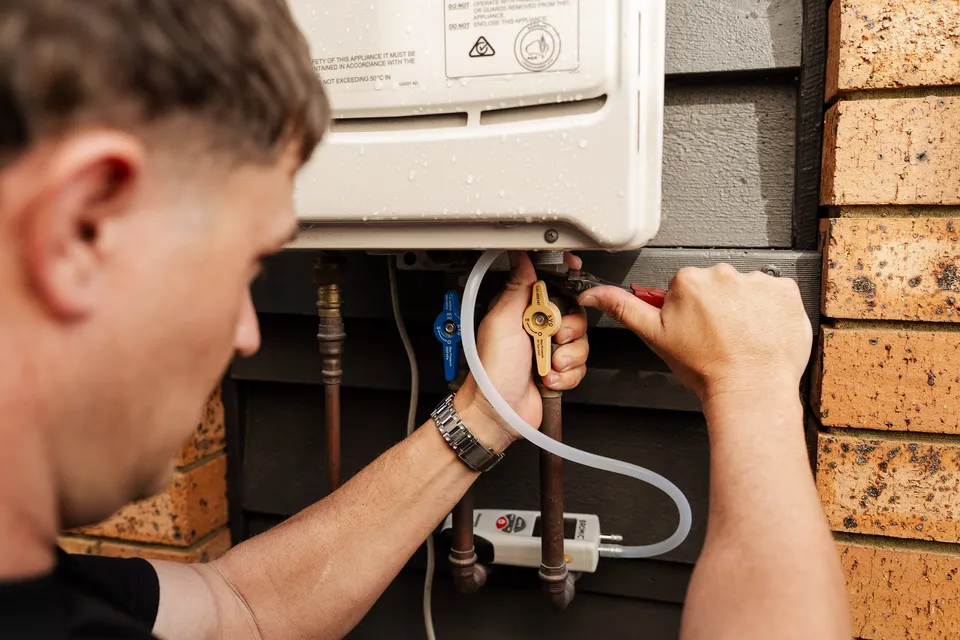
What a Running Cistern Does to Your Water Bill
No, the concealed-leak adjustment Urban Utilities offers does not extend to water a cistern loses. Taps, hot water systems and other water-using appliances are left out of it as well, so the loss stays on the account.
Primary responsibility for leaks sits with the property owner, who also carries the water they waste. Hendra's storm-season summers already push household use up, and a cistern running day and night quietly stacks more on top of the bill.
When to Call a Plumber About a Running Toilet
Book a plumber once the dye check shows colour in the bowl, or when a hiss keeps going after the refill ends. A dripping overflow pipe outside is just as clear a signal that the level control has failed.
Renters report the fault to whoever manages the property. Owners can book directly and keep the invoice, because the water loss lands on the property's account either way.
Our toilet repairs in Hendra page walks through what the visit involves, from diagnosis to the finished job. Every repair is done by a licensed plumber, and you get a fixed quote before any work starts.
Running Toilet Questions Answered
Call (07) 3523 7172How do I check my toilet for a silent leak?
Drop a little food colouring into your cistern, wait without flushing, then read the bowl. Any colour down there means the cistern is passing water into the bowl, and that loss stays on your Urban Utilities account. Flush once you've read the result, because ceramic holds no stain.
Will food colouring stain my toilet bowl?
No, a ceramic bowl won't take a stain from food colouring. One flush afterwards clears every trace, so the check is safe on any suite in a Hendra home.
Which cistern parts can a home owner replace?
Queensland's regulator treats three cistern parts as unregulated work: the washer inside a drop valve, the washer inside a float valve, or the suction cup rubber. A householder with the know-how may swap them without a licence, and the finished job must still satisfy the standards. Every other cistern repair is a job for a licensed plumber.
What is the overflow in a toilet cistern?
The overflow is the outlet that carries surplus water out of the cistern and into the pan, rather than onto the floor. When the inlet valve fails to close or the float sits too high, water climbs to the overflow and runs out through it.

Call Us About the Running ToiletWe'll call you back.
Book on (07) 3523 7172 for plumbing anywhere in Hendra. We're available 24/7, there's no extra charge for nights, weekends or public holidays, and every job comes with $0 call-out fees.
To claim your $0 call-out fee, call (07) 3523 7172 today.